
Small Batch Mold Injection
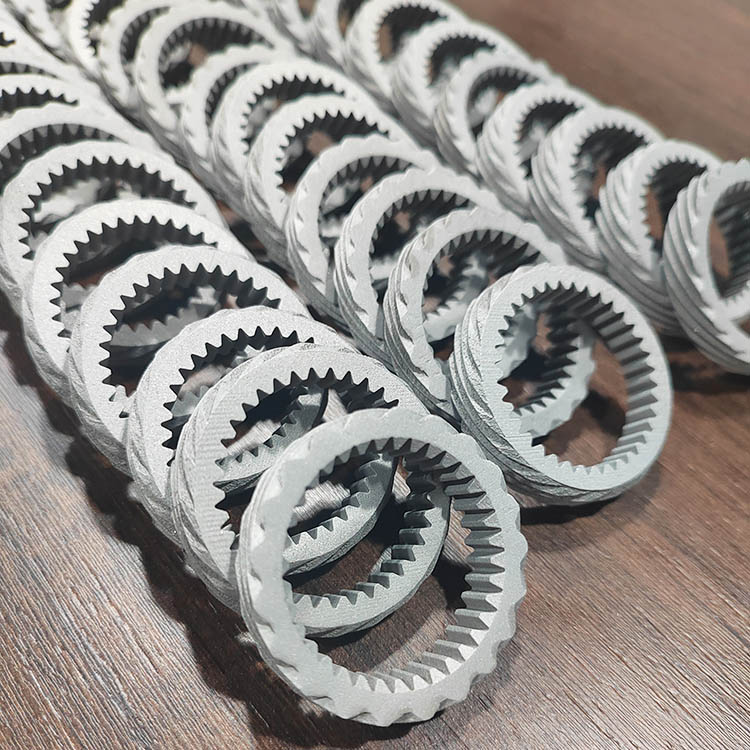
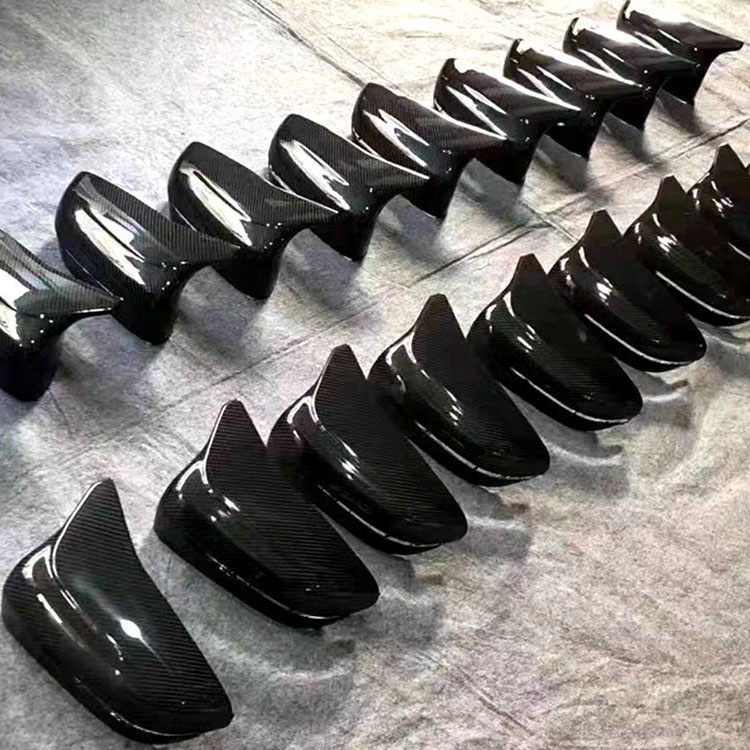
Small Batch Mold Injection is a hybrid manufacturing process that uses 3D-printed molds to replace traditional steel molds. These molds are installed on an injection molding machine to produce dozens to hundreds of genuine engineering plastic parts at extremely low cost and lead time.
SLA 3D-printed molds are dense, isotropic, and offer high surface finish and excellent accuracy. Specialized high-temperature resistant resins (such as Rigid 10K) can withstand the high pressure and temperature (up to 200°C and above) of the injection molding process.
Process Considerations
- Pressure Control: 3D-printed molds are not as strong as steel molds, so machine parameters must be adjusted to use lower clamping forces and injection pressures.
- Temperature Management: Polymer molds have poor thermal conductivity and do not dissipate heat as quickly as metal. Compressed air cooling or designing easily replaceable mold inserts is often used to improve efficiency.
- Release Agents: Silicone-based release agents are necessary to prevent plastic parts from sticking to the mold.
| Process | Mold Cost | Lead Time | Ideal Quantity | Core Advantage |
| 3D Printing | No mold required | 1–3 days | 1–10 pcs | Extreme complexity, rapid iteration |
| Small Batch Injection Molding | low | 1–3 weeks | 100–500 pcs | Real materials, real performance |
| Traditional Injection Molding | high | 1–2 months | 10,000+ pcs | Extremely low unit cost, ideal for mass production |
Standard Plastics:
ABS, PP, PE, PS
Engineering Plastics:
PC (Polycarbonate), PA (Nylon), POM (Acetal/Delrin)
Elastomers: TPE, TPU (Soft touch / Flexible)
PC (Polycarbonate), PA (Nylon), POM (Acetal/Delrin)
Pro Tip: Note that mold life varies depending on the material being injected (for example, glass-fiber reinforced materials will cause more wear on the mold).