
Vacuum casting
Vacuum casting is a pivotal bridge between 3D printing and mass production, where a 3D-printed master pattern is used to create flexible silicone molds, enabling the replication of 20 to 100 high-quality plastic parts with injection-molding-like surface finish and material properties, all without the high cost and lead time of steel tooling—making it the ideal solution for functional prototyping, market testing, and small-batch production runs.
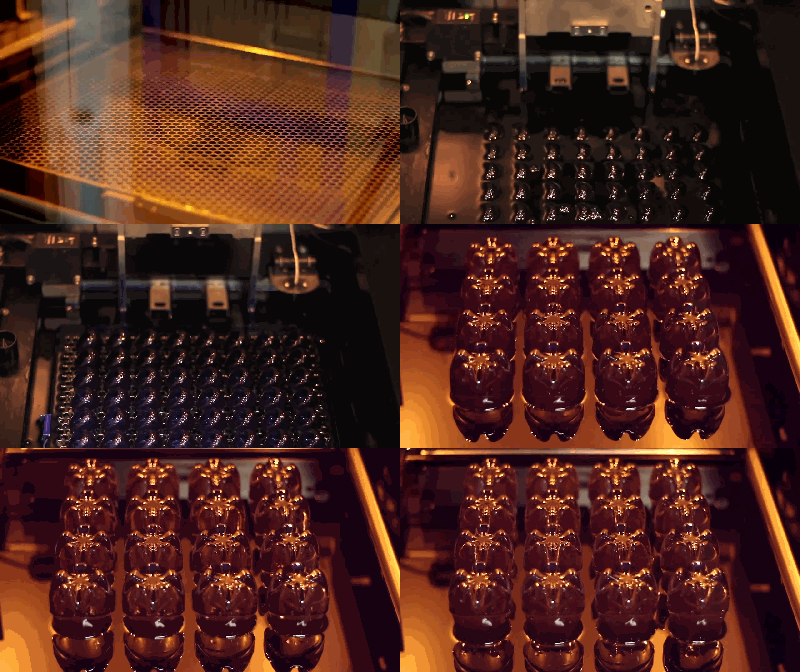
3D Priting Sevices(Core Advantages)
- Raid iteration
- No mold required
- Hightly complex structures
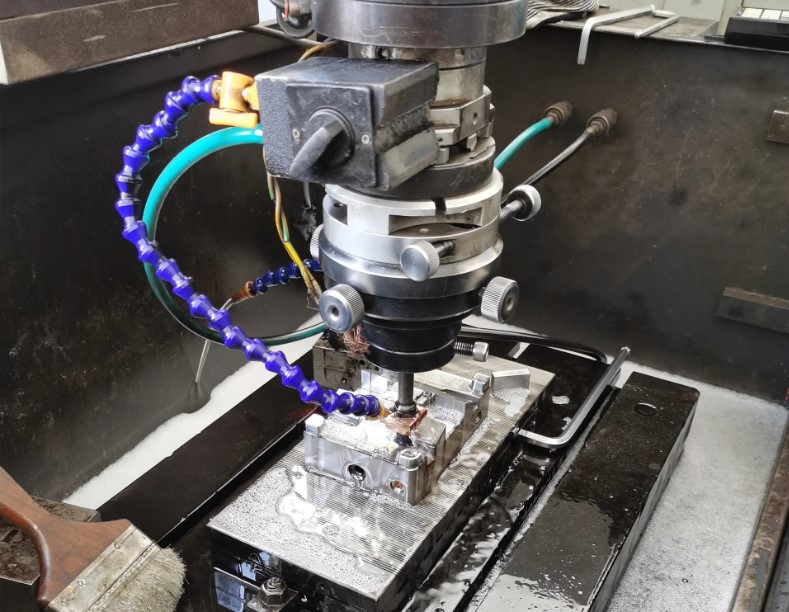
Injection Molding
- Injection-molding-like finish
- Moderate cost
- Small batch
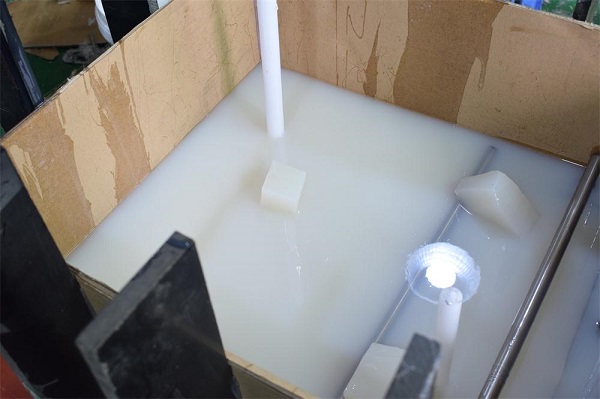
Vacuum Casting
- Extremely high precision
- Excellent repeatability
- Low unit cost
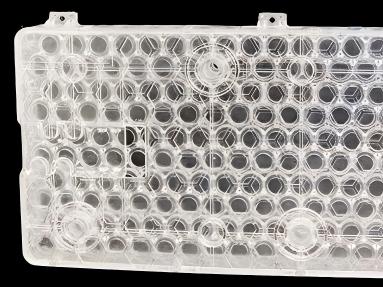
Step 1 – Master Mold Creation: A master pattern is typically created through high-precision SLA 3D printing or CNC machining. This master is the origin of the precision and surface quality.
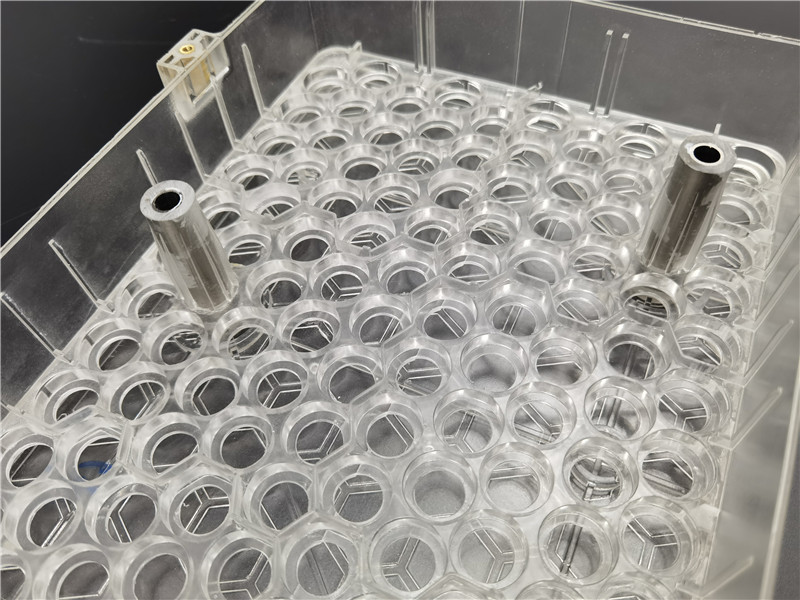
Step 3 – Vacuum Casting: Two-component polyurethane resin is injected into the silicone mold under a vacuum. The vacuum removes air bubbles, ensuring perfect detail reproduction.
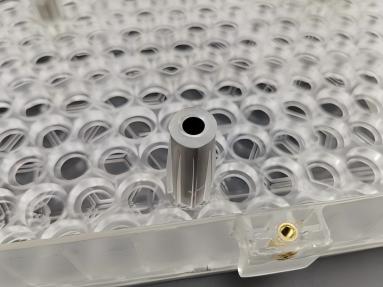
Step 2 – Silicone Mold Making: The master pattern is suspended in a mold frame, and liquid silicone is poured in. After curing, a flexible mold is formed. Manually cutting open the mold requires skilled craftsmanship.
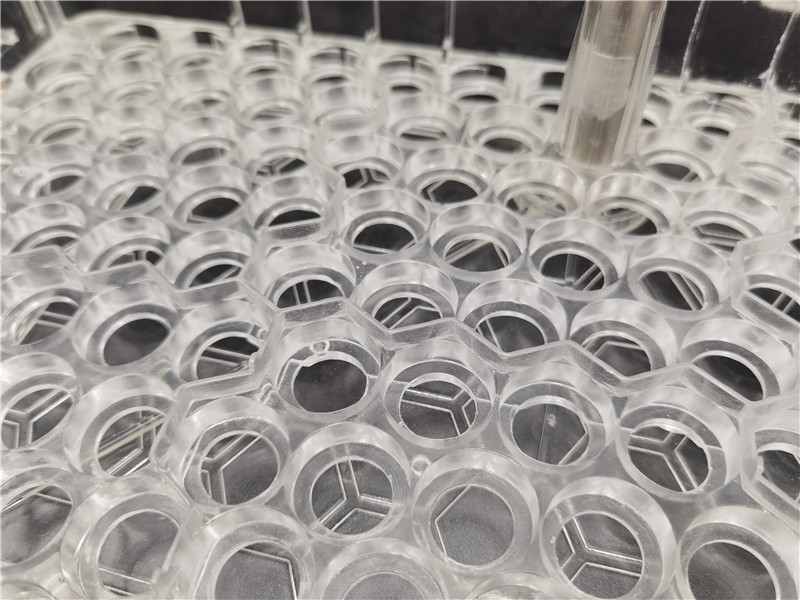
Step 4 – Demolding & Finishing: The replicas are removed by utilizing the flexibility of the silicone mold.
Materials and Characteristics Available for Vacuum Casting
ABS-like (PX100):
High toughness, suitable for enclosures and electronic devices.
Rubber-like (TPU):
Flexible, suitable for sealing rings and handles.
Transparent PC/PMMA:
High light transmission, suitable for lampshades and windows.
High-temperature resistant material:
Suitable for components around automotive engines.
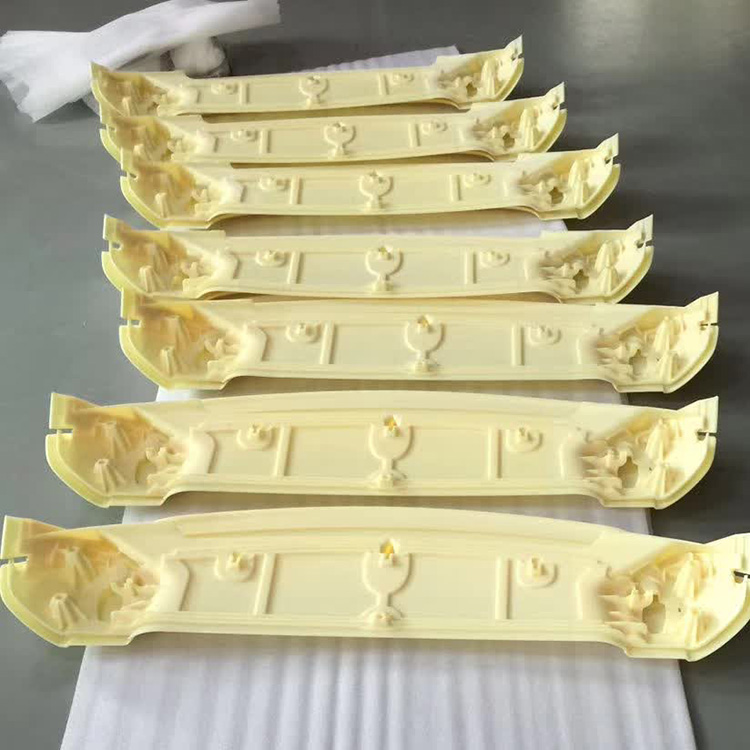
Case A: Enclosures for a smart hardware startup company (from 10 prototype units -> 80 crowdfunding delivery units)
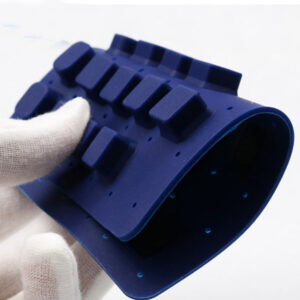
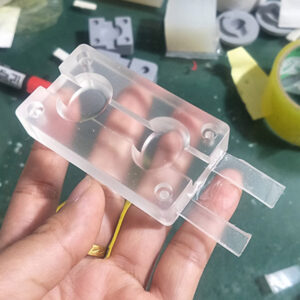
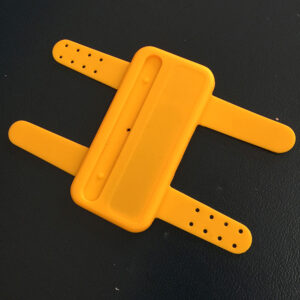
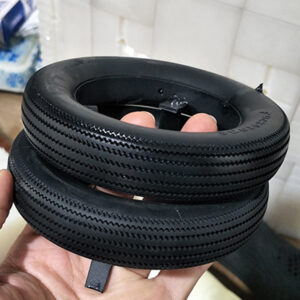
Case B: Complex undercut structures that can be perfectly replicated using flexible silicone molds.