
3D Printing Service: A Comprehensive Guide from Prototype Validation to Small-Batch Production
In the wave of digitalization in manufacturing, 3D printing has evolved from a “novelty” to a standard tool in enterprise production processes. More and more engineers, designers, and purchasers are realizing that choosing a reliable 3D printing service can not only accelerate R&D iteration but also significantly reduce costs and risks during the small-batch production stage.
So, what technologies do reliable 3D printing services currently include? And how should you choose one?
Mainstream 3D Printing Technologies
Currently, there are four main mature and stable technologies in engineering applications:
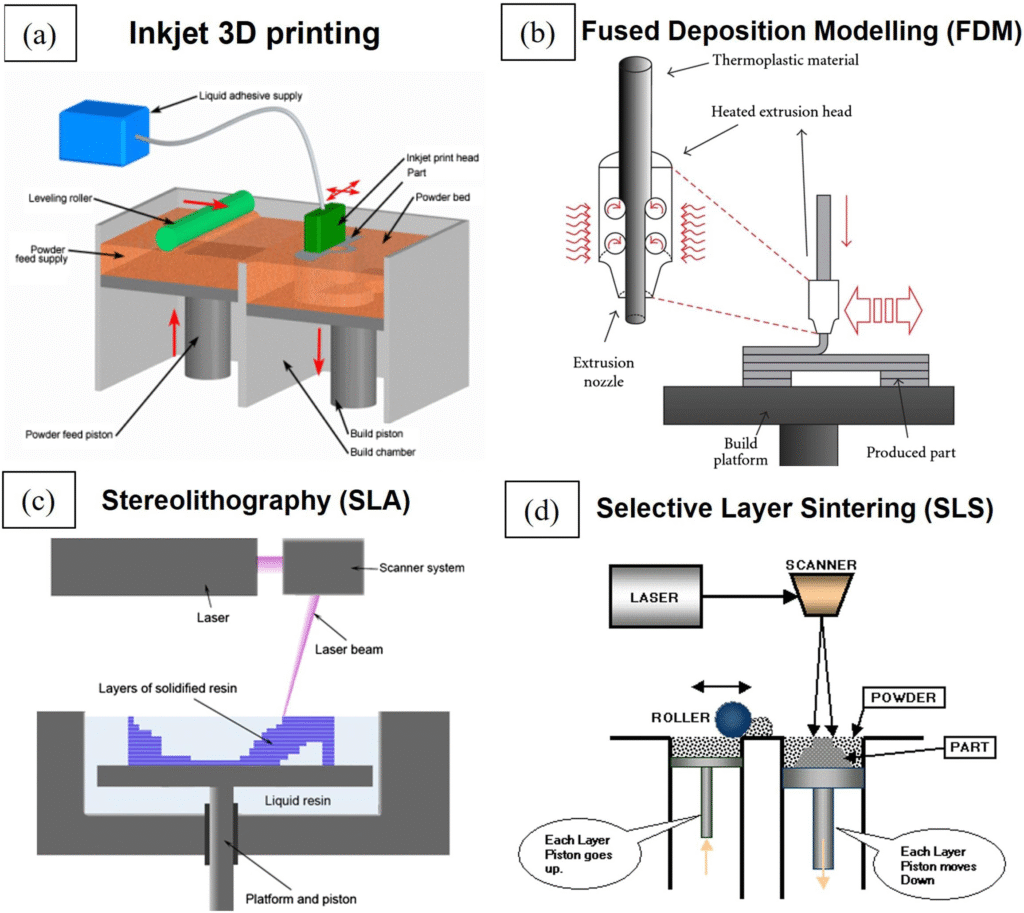
FDM (Fused Deposition Modeling)
It melts thermoplastic filaments and stacks them layer by layer, with a visible and controllable molding process. It is suitable for functional verification prototypes (shells, fixtures, tooling jigs) and small-batch functional parts (non-load-bearing structural parts, custom brackets, etc.). For scenarios pursuing structural strength, durability, and controllable costs, FDM is often the first choice.
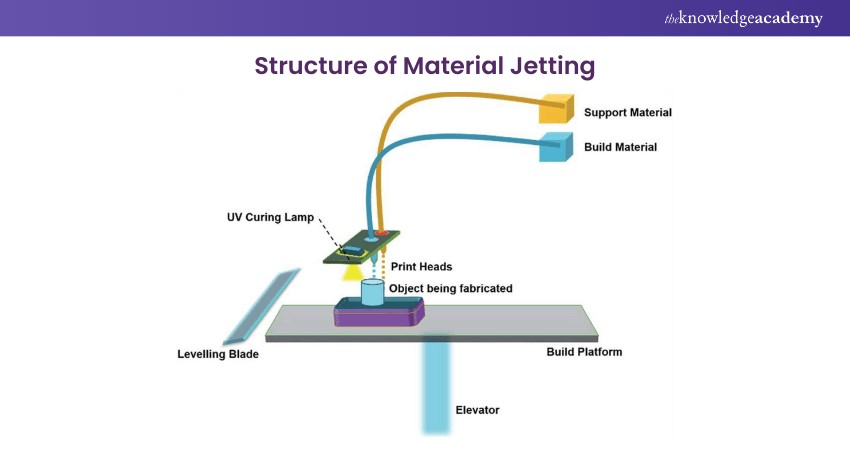
PolyJet (Multi-Material Jetting)
It can achieve high-precision printing of multiple materials and colors on the same part, making it suitable for high-precision appearance parts, medical teaching models, and complex parts that require soft, transparent, and rigid areas to coexist.
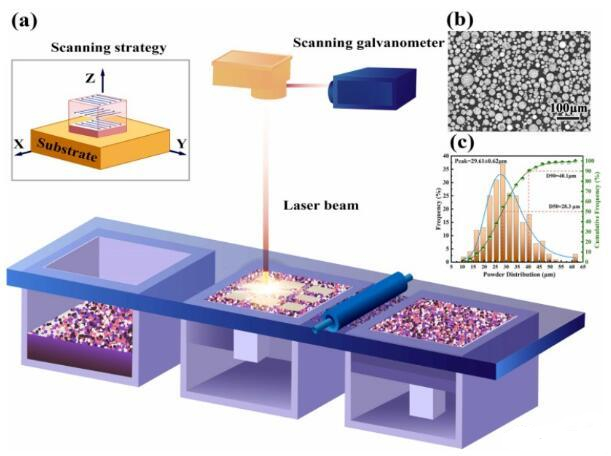
SAF (Selective Absorption Fusion)
It is more suitable for mass production of functional parts. It achieves high repeatability and good dimensional stability through a powder bed, making it an ideal choice for small-batch industrial part production and flexible supply chain supplementation.
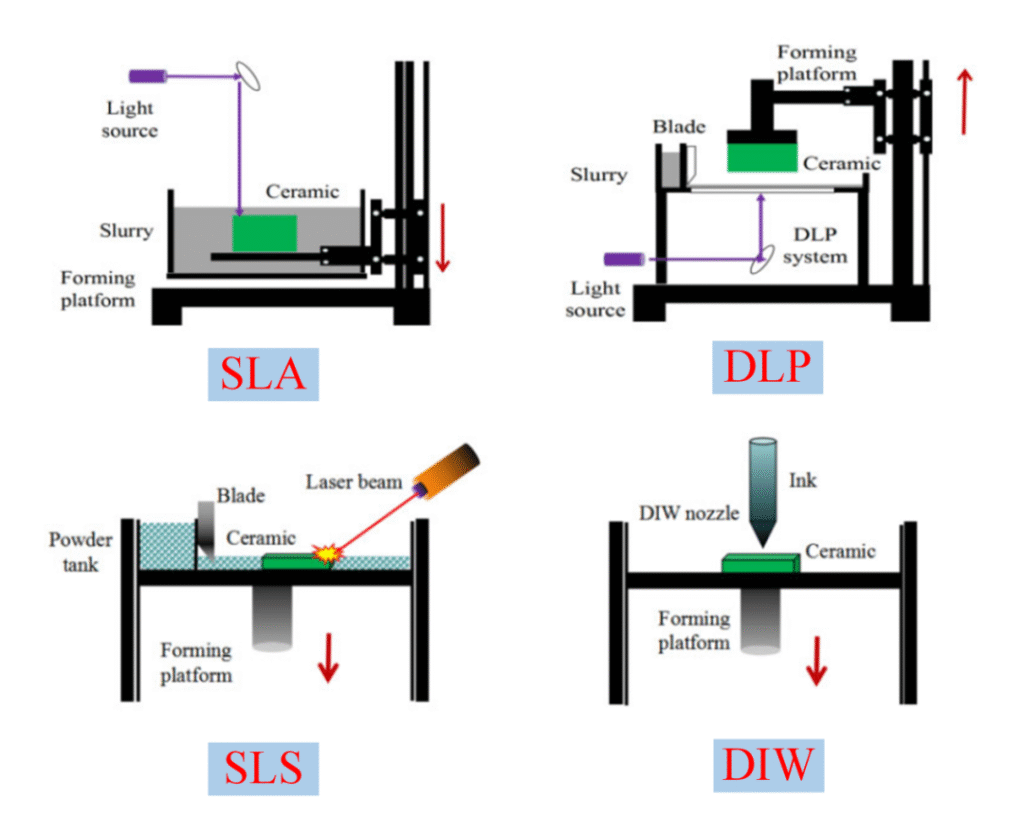
P3 (Precision Light Processing)
It emphasizes the balance between precision, surface quality, and engineering performance. Combined with a professional resin system, it can meet the production needs of high-demand functional parts and small-batch end components.
How to Choose a Reliable 3D Printing Service
The primary criterion for judging whether a 3D printing service provider is professional is not “what shapes it can print”, but whether it can match the appropriate technology and parameters according to the application scenario. A reliable service provider will clearly explain: why a certain technology is used, the achievable dimensional accuracy and mechanical properties, and which details need optimization or post-processing. In addition, the professionalism of the material system is also a key factor — materials directly determine the upper limit of part performance.

Wide Application Fields
From automotive intake manifolds, new energy vehicle electronic rearview mirror prototypes, to curved panels of smart home appliances and blood glucose meter shells of medical devices, 3D printing services have deeply penetrated various industries. Today, ordering from 1 piece and delivering within 24 hours have become industry standards, making product development more agile and efficient.
Summary
Whether you need product prototype validation or small-batch functional part production, choosing the right 3D printing service can greatly improve your R&D efficiency. The key is — clarify your needs, then find the right technology and a reliable partner.
Hi, this is a comment.
To get started with moderating, editing, and deleting comments, please visit the Comments screen in the dashboard.
Commenter avatars come from Gravatar.